How Crafty Cat Brings Playful Typography Into Real Projects
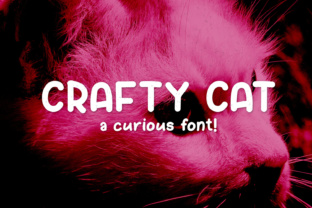
Typography often sits quietly in the background of a project. It sets a tone, supports readability, and reinforces a brand. But every now and then, a typeface asks for a bit more attention. Crafty Cat is one of those fonts. Designed to be fun and curious, it brings a sense of lightness and character to designs that might otherwise feel too rigid or predictable. This article explores what Crafty Cat is, where it fits into actual workflows, and how you can integrate it into your own creative and professional processes without losing sight of practical goals.
Crafty Cat is not a font you reach for when you need strict formality. It is a display typeface with a playful personality, useful for projects that benefit from warmth, approachability, and a touch of whimsy. Whether you are a marketer building a campaign, an educator creating materials for learners, or a small business owner designing your own collateral, Crafty Cat can serve as a deliberate choice that supports a specific tone. The key is knowing when and how to use it within a broader process.
Understanding Crafty Cat and Where It Belongs in a Process
Every font has a role. Some handle long-form reading. Others command attention. Crafty Cat leans into the latter category. It is a decorative font that works best at larger sizes, where its details and curiosity can be seen clearly. Think of it as a tool for headlines, titles, callouts, and accent text rather than body copy. This distinction matters because it defines how the font interacts with the rest of your typography system.
When planning a project, you typically define a visual hierarchy. You choose a primary typeface for readability and a secondary or accent typeface for emphasis. Crafty Cat fits naturally into the accent role. It can draw the eye to a key message, add personality to a product label, or set the mood for a playful brand identity. Understanding this placement helps you use it deliberately rather than arbitrarily.
From a workflow perspective, the decision to include Crafty Cat should happen early in the planning phase. During project scoping, ask yourself whether the audience and purpose call for a more human, curious, or lighthearted tone. If the answer is yes, Crafty Cat becomes a candidate for your type palette. If the project requires strict professionalism or neutrality, you might save it for a different context. This upfront thinking prevents mismatched typography later in the process.
Integrating Crafty Cat Before, During, and After a Project
Typography choices ripple through every phase of a project. Crafty Cat can enter the process at multiple points, each with its own considerations.
Before the Project: Planning and Preparation
In the preparation stage, you define the visual direction. This is the time to decide whether a playful font aligns with the goals. For a children’s book cover, a community event poster, or a social media campaign for a creative brand, Crafty Cat can be a strong candidate. Prepare by gathering reference materials, mood boards, and competitor examples that show how similar fonts have been used. This research helps you validate the choice before you invest time in design.
Also verify compatibility with your design tools. Crafty Cat is a digital font file, so ensure it works with your preferred software, whether that is Adobe Creative Suite, Canva, Figma, or another platform. Test a few sample words at various sizes to see how the font renders on screen and in print. This simple check saves time later and prevents surprises during production.
During the Project: Execution and Implementation
Once the project is underway, Crafty Cat should be used with intention. Because it is a decorative font, avoid applying it to large blocks of text. Instead, reserve it for elements that need emphasis: headlines, section titles, pull quotes, or key phrases. This approach maintains readability while giving the font room to shine.
Consider how Crafty Cat interacts with other typefaces in your system. Pair it with a clean sans-serif or a neutral serif for contrast. The playful curves of Crafty Cat stand out more when surrounded by simpler shapes. Test combinations early in the design phase to confirm they complement each other rather than clash.
During implementation, pay attention to spacing and sizing. Decorative fonts often require manual kerning adjustments, especially at larger sizes. Take the time to refine letter spacing so the text looks balanced. This detail separates a polished outcome from one that feels amateurish.
After the Project: Review and Quality Control
After the design is complete, review how Crafty Cat performs across different outputs. If the project includes web or mobile delivery, check legibility on various screen sizes. A font that looks charming on a desktop banner might lose clarity on a phone screen. Adjust sizes or consider an alternative if readability suffers.
In print, examine the font at actual output size. Sometimes details that look fine on screen become muddy or too delicate in ink. Run a test print or a digital proof at full scale. This quality control step ensures the final product matches your intentions. If inconsistencies appear, you can refine the layout before committing to a larger run.
Practical Workflow Examples Across Different Roles
Crafty Cat fits into many real-world scenarios. Here are a few examples that show how different professionals might integrate it into their processes.
Marketers and Campaign Managers
For a seasonal promotion or a product launch targeting a younger audience, a marketer might use Crafty Cat in social media graphics, email headers, and landing page titles. The font adds personality without overwhelming the message. In this context, it works alongside brand colors and photography. The marketer would prepare by selecting a complementary sans-serif for body text, then test the combination in mockups before finalizing the creative assets. Consistency across channels matters, so the font should appear in the same sizes and styles across posts and emails.
Educators and Content Creators
Classroom materials, worksheets, and educational videos often benefit from a friendly tone. An educator might use Crafty Cat for lesson titles, activity labels, or quiz headers. The font helps signal that the content is engaging rather than intimidating. When creating a series of resources, decide on a standard size and color for Crafty Cat text. This builds familiarity for learners and streamlines the production process. For digital materials, check that the font remains clear on projectors and tablets.
Small Business Owners and Freelancers
Many entrepreneurs handle their own design work, especially in the early stages. If you run a boutique shop, a café, or a creative service, Crafty Cat can appear on menus, signs, packaging, or website banners. Because you are likely working with limited time, using a decorative font like Crafty Cat can be efficient: one or two well-placed titles can define the visual identity without needing extensive illustration or photography. Pair it with a simple layout, and the font does much of the expressive work for you.
Improving Organization and Efficiency When Using Crafty Cat
Managing fonts across multiple projects requires some system. If you use Crafty Cat regularly, store it in an organized font library or folder. Many design tools allow you to tag or group fonts by style, which makes retrieval faster. Keep a note of the pairings that work well, so you can reuse them in future projects without repeating the testing phase.
Create templates for recurring project types. If you design social media posts weekly, build a template that includes Crafty Cat for the headline area, with placeholder text and spacing already set. This reduces repetitive setup work and ensures consistency across your content. The same logic applies to email templates, presentation decks, or product sheets.
For teams, document your typography choices in a simple style guide. Specify where Crafty Cat should be used, what sizes are appropriate, and which fonts pair with it. This helps everyone stay aligned without constant back-and-forth. Even a one-page reference can save time and reduce errors as projects scale.
Maintaining Consistency and Quality Over the Long Term
Using a distinctive font consistently is a challenge, especially as your body of work grows. Over time, you might be tempted to use Crafty Cat everywhere because it looks appealing. Resist that urge. Overuse dilutes its impact. Instead, define clear boundaries for where it appears: only on titles, only in specific colors, or only on certain content types. This discipline keeps the font feeling fresh and intentional.
As your brand or style evolves, revisit your font choices. What worked for a playful launch might feel mismatched later. Periodically review how Crafty Cat fits into your current projects. If the tone of your work shifts toward more serious topics, consider retiring the font or using it more sparingly. Flexibility is part of a healthy design process.
Also consider accessibility. Decorative fonts can sometimes reduce readability for people with visual impairments or cognitive differences. When using Crafty Cat, ensure sufficient contrast between text and background, and avoid using it for critical information that must be understood quickly. Pair it with accessible body fonts and provide text alternatives where needed. This approach aligns with inclusive design practices and broadens your audience.
Final Observations on Using Crafty Cat in Real Work
Crafty Cat is a tool, not a solution by itself. Its value comes from how you place it within a larger process. When chosen deliberately, it adds personality, warmth, and curiosity to projects that benefit from those qualities. When used indiscriminately, it can feel forced or distracting. The difference lies in planning, testing, and consistency.
Start by defining the role you want the font to play. Prepare by testing it in your tools and pairing it with complementary typefaces. Execute by using it sparingly and with attention to spacing and sizing. Review the results across devices and outputs. Over time, build a system that lets you reuse your best combinations efficiently. This approach turns a playful font into a reliable part of your creative toolkit.
Whether you are designing a campaign, creating educational materials, or building a brand from scratch, Crafty Cat can support your goals without complicating your workflow. Like any good tool, it works best when you understand its strengths and respect its limits.