Mukadua: A Font Duo Built on Contrast and Compatibility
Typography is more than letters on a page—it is the voice of a brand, the mood of a design, and the bridge between an idea and its audience. Among the many typefaces available today, few capture the power of duality as thoughtfully as Mukadua, a font duo that brings together two distinctly different personalities: a refined serif and an expressive script. The name itself, derived from the Indonesian word for "two-faced," hints at the core philosophy behind this pairing. Mukadua is not about inconsistency; it is about deliberate contrast that creates harmony. For designers, business owners, and creators seeking a versatile typographic toolkit, Mukadua offers a compelling blend of elegance, character, and functional compatibility.
In this article, we explore what makes Mukadua unique, how its two fonts work together, where it shines in real-world projects, and what you should consider when deciding if it fits your next design venture.
The Meaning Behind Mukadua
Understanding Mukadua begins with its name. "Mukadua" translates to "two-faced" in Indonesian, but in the context of typography, this term carries a far more nuanced meaning. Rather than implying deception or inconsistency, it refers to the deliberate pairing of two opposing visual styles that, when combined, create a richer and more dynamic visual language.
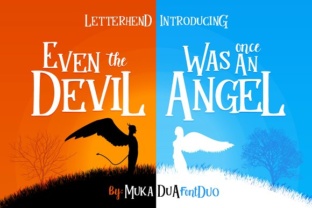
The font duo consists of two distinct typefaces: a serif and a script. These two faces are polar opposites in structure, rhythm, and emotion. The serif is grounded, structured, and authoritative—ideal for headlines, body text, and any setting where clarity and stability are paramount. The script, by contrast, is fluid, personal, and energetic—perfect for accents, quotes, and moments where a human touch is needed. Together, they embody the concept of duality without conflict.
What makes Mukadua especially compelling is that these two fonts are not just opposites; they are extremely compatible. The serif provides the backbone, while the script adds the flourish. The result is a toolkit that allows designers to shift tone within a single project without losing coherence.
Why Duality Works in Typography
In design, contrast is a fundamental principle. It draws the eye, creates hierarchy, and adds interest. Mukadua embraces this principle by offering two fonts that are visually distinct yet share enough underlying harmony to be used together seamlessly. The serif brings structure, while the script brings emotion. This balance is especially valuable in branding, where a single typeface often feels too monolithic and a chaotic mix of unrelated fonts feels disjointed.
With Mukadua, you get a curated pairing that has been intentionally designed to work together. This removes the guesswork from font pairing and allows you to focus on the message itself.
What Mukadua Offers: Features and Characteristics
To appreciate Mukadua fully, it helps to look at each font individually and then examine how they interact.
The Serif Font
The serif component of Mukadua is classic yet contemporary. It features clean, well-proportioned letterforms with traditional serifs that lend a sense of trustworthiness and permanence. This is not an overly decorative serif; it is designed for readability across sizes. Whether used in a headline, a pull quote, or a block of body text, it maintains its clarity and presence.
- Legibility: The serif is easy to read at both small and large sizes, making it suitable for print and digital applications.
- Versatility: Its neutral but characterful design works across industries—from law firms and financial services to lifestyle brands and editorial projects.
- Weight and presence: The serif carries enough visual weight to stand alone, but it also steps back gracefully when paired with the script.
The Script Font
The script font in Mukadua is where the personality really shines. It is fluid, elegant, and slightly informal—reminiscent of refined handwriting but with enough polish to feel professional. The script is designed to complement the serif without overpowering it.
- Expressiveness: The script adds movement and warmth. It is ideal for accents, signatures, and short phrases that need to feel personal.
- Natural flow: Letters connect smoothly, creating a rhythm that feels organic rather than mechanical.
- Balance: Despite its flourish, the script remains legible and controlled, avoiding the excessive loops or slants that can make some scripts difficult to read.
How They Work Together
The real magic of Mukadua lies in the interaction between these two faces. When used together, the serif establishes a foundation, and the script adds accent. This dynamic is similar to having a reliable anchor and a creative counterpart in the same design system. You can use the serif for primary text and the script for emphasis, or reverse the roles for a more playful effect.
Because the fonts share a common design sensibility—similar proportions, compatible x-heights, and complementary stroke contrasts—they never feel like an afterthought pairing. They belong together.
Where Mukadua Shines: Practical Applications
Mukadua is not a niche font duo reserved for a single type of project. Its flexibility makes it suitable for a wide range of applications. Here are some real-world scenarios where Mukadua can make a meaningful impact.
Branding and Identity
For businesses and organizations, a visual identity needs to communicate both credibility and personality. Mukadua delivers both. The serif can anchor a logo or wordmark, while the script can be used for taglines, submarks, or social media graphics. A boutique hotel, for instance, might use the serif for its main logo and the script for its "welcome" signage or amenity cards. A creative agency could use the script for its name and the serif for its value proposition.
Editorial and Publishing
In magazines, brochures, or annual reports, Mukadua helps create visual hierarchy without visual clutter. The serif handles headlines, subheads, and body copy with authority, while the script introduces a human element in pull quotes, introductory paragraphs, or section dividers. This combination keeps the reader engaged and adds a layer of storytelling to the page.
Packaging and Product Design
Packaging is often the first physical touchpoint a customer has with a brand. Mukadua's dual nature allows for layered messaging. The serif can carry the product name and key information, while the script adds a handwritten feel to ingredients lists, instructions, or brand stories. This is especially effective for artisanal, organic, or luxury products where authenticity matters.
Web and Digital Design
Digital interfaces benefit from Mukadua's clarity and contrast. The serif works well for headers and navigation, while the script can be used for hero text, call-to-action phrases, or decorative elements. Because both fonts are designed for legibility, they perform well on screens of all sizes—from desktop monitors to mobile devices.
Invitations, Stationery, and Event Design
Weddings, galas, and corporate events often call for a tone that is both formal and personal. Mukadua strikes that balance beautifully. The serif lends a sense of occasion, while the script adds a bespoke, handcrafted feel. Save-the-dates, programs, place cards, and thank-you notes can all carry a consistent visual language using this font duo.
Who Can Benefit from Mukadua?
Mukadua is designed for anyone who works with text and wants more expressive range without sacrificing consistency. This includes:
- Graphic designers looking for a reliable font pairing that saves time and delivers results.
- Brand managers and marketers who need a type system that can adapt across multiple touchpoints.
- Small business owners and entrepreneurs building their own brand identity and wanting a professional look without hiring a type designer.
- Content creators and bloggers who want their written content to feel polished and distinctive.
- Students and educators exploring typography and learning how contrast creates visual interest.
Whether you are designing a logo, a website, a printed brochure, or a social media campaign, Mukadua provides the tools to communicate with clarity and character.
Strengths, Considerations, and Practical Expectations
No typeface is perfect for every situation, and Mukadua is no exception. Understanding its strengths and limitations will help you use it effectively.
Strengths
- Curated compatibility: The serif and script are designed to work together, so you don't have to worry about mismatched proportions or conflicting styles.
- Dual personality: You get two distinct moods in one package, giving you more creative flexibility.
- Readability: Both fonts prioritize legibility, making them suitable for extended reading and small sizes.
- Professional finish: Projects using Mukadua often feel cohesive and intentional, which builds credibility with your audience.
Considerations
- Not for minimalists: If your design philosophy favors a single typeface or ultra-minimalist approach, a font duo may feel like too much.
- Script usage should be measured: While the script is beautiful, it is best used for accents rather than long passages of text. Overusing it can reduce legibility and dilute its impact.
- Licensing: Always check the license terms for commercial use, especially if you are using Mukadua in client projects or products for sale.
- Context matters: In highly formal or technical contexts (legal documents, scientific papers), a script font may feel out of place. Use the serif alone in those cases.
Practical Expectations
When you start working with Mukadua, expect a short adjustment period as you learn how the two fonts interact. Experiment with different weights, sizes, and spacing to find the balance that suits your project. The serif can be used at larger sizes for impact, while the script shines at medium to large sizes where its details are visible. At very small sizes, the serif remains clear, but the script may become less legible—so use it wisely.
How to Evaluate Mukadua for Your Needs
Choosing a typeface is a personal decision that depends on your project's goals, audience, and tone. Here is a practical framework to help you decide if Mukadua is right for you.
- Define your tone: Do you need a voice that is both authoritative and approachable? Mukadua excels in this space.
- Consider your medium: Print, digital, or both? Mukadua performs well across media, but test it in your specific format.
- Think about hierarchy: Will your design benefit from a clear contrast between primary and secondary text? If so, Mukadua is a strong candidate.
- Test with real content: Place your actual headlines, body copy, and accents into a mockup using Mukadua to see how it feels in context.
- Get feedback: Show your design to colleagues or clients and ask whether the typography feels cohesive and appropriate.
Remember, the best typeface is the one that serves your message. Mukadua is a tool—a versatile and well-crafted one—but the meaning always comes from you.
Final Thoughts
Mukadua is more than a font duo; it is a thoughtful response to a common design challenge: how to be both consistent and expressive. By pairing a grounded serif with a fluid script, it offers a ready-made solution for projects that need contrast without chaos. The name "two-faced" is fitting—not as a flaw, but as a strength. Mukadua wears two faces proudly, and both of them work together to help you tell your story with clarity, warmth, and purpose.
Whether you are building a brand from scratch, refreshing an existing identity, or simply exploring new typographic tools, Mukadua deserves a close look. It is a font duo that understands the value of opposites—and knows exactly how to make them compatible.