Otella: A Thin, Monoline Font That Fits Into Everyday Design Work
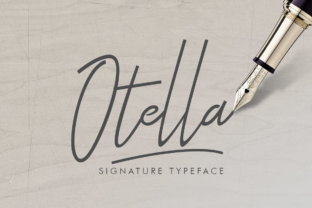
If you have spent any time browsing font libraries lately, you have probably noticed a shift toward cleaner, more minimal typefaces. Many designers, business owners, and content creators are moving away from overly decorative fonts and looking for something that feels modern without screaming for attention. That is exactly where Otella and Otella Signature come in. This is a fresh, thin, almost monoline font that works quietly in the background while still giving your project a distinct look.
Otella is not the kind of font you use just because it looks pretty in a preview. It is the kind of font you reach for when you need clarity, elegance, and a touch of personality without losing readability. Its thin, consistent stroke weight makes it stand out in a subtle way, which is harder to pull off than it sounds. Whether you are designing a logo, laying out a brochure, or putting together slides for a client presentation, Otella brings a lightness that heavier fonts cannot match.
Where Otella Fits Into Real Projects
One of the biggest mistakes people make when choosing a font is picking something that looks good in isolation but fails in context. Otella avoids that trap because it was designed with practical use in mind. The thin, monoline structure means it works well at larger sizes where the elegance of each letterform becomes apparent. At smaller sizes, it remains legible, though you do want to be careful with body text if the point size gets too small, especially in print.
Branding and Identity Work
Small business owners and freelancers often struggle with branding because they want to look professional without spending weeks refining a logo. Otella gives you a head start. Its clean, thin strokes work beautifully in wordmarks and logotypes, especially for businesses in fashion, beauty, wellness, stationery, or creative services. Imagine a skincare brand using Otella for its logo. The lightness of the font mirrors the lightness of the product. That kind of visual alignment matters more than people realize.
If you are a freelancer building your own brand, Otella Signature adds a handcrafted feel that pairs well with the standard version. You might use the standard Otella for your main logo and switch to the signature variant for taglines or accent text. This gives you a cohesive system without needing multiple fonts that clash with each other.
Social Media and Digital Content
Marketers and content creators spend a lot of time trying to make their graphics stand out in crowded feeds. Otella works especially well for Instagram stories, Pinterest pins, and LinkedIn banners because the thin strokes read clearly on screens. It does not get muddy or lose detail the way some thicker display fonts can when compressed.
Think about a lifestyle blogger posting a quote graphic. With Otella, the quote itself becomes the visual focal point without needing heavy borders or background effects. The font does the work. For educators sharing infographics or course slides, Otella keeps the text readable while giving the material a polished, contemporary feel. Students and audience members respond better to materials that look thoughtfully designed, even if the content is straightforward.
Print Materials That Need a Light Touch
Wedding invitations, save-the-dates, thank-you cards, and event programs are natural use cases for Otella. The thin, elegant lines feel appropriate for formal or semi-formal occasions, but the monoline consistency keeps it from feeling overly frilly. If you have ever tried to use a script font for invitations and ended up with something that looked hard to read, you will appreciate how Otella balances beauty with legibility.
Small business owners who produce printed materials like menus, business cards, or product tags can also benefit. A coffee shop menu set in Otella feels modern and approachable. A boutique clothing store using Otella for price tags or hang tags communicates attention to detail. These are small touches, but they add up to a stronger brand experience.
Who Gets the Most Out of Otella
Different users will find different reasons to keep Otella in their font library. Here is how it plays out in real scenarios.
Freelance Designers and Creative Professionals
If you take on a variety of projects, you need fonts that are versatile enough to move between different industries. Otella works for a wedding invitation one week and a tech startup logo the next. That flexibility saves you time because you do not have to hunt for a new font every time a client brief changes. You can pair Otella with bolder sans-serif fonts for contrast, or use it alone for a minimal look. The signature variant gives you an extra layer of expression without learning a whole new typeface.
Entrepreneurs and Small Business Owners
When you are running a business, you do not always have the budget to hire a professional designer for every single asset. Downloading and using Otella gives you access to a high-quality typeface that makes your materials look like you invested more than you did. That is not about cutting corners. It is about being smart with resources. Whether you are designing your own website header, creating a PDF portfolio, or putting together a pitch deck, Otella helps you present yourself well.
Hobbyists and Personal Project Creators
Not everyone using Otella is doing it for work. Hobbyists who make scrapbooks, digital art, custom gifts, or personal blogs will appreciate how easy it is to work with. If you are creating a photo book for a family event or designing a custom calendar as a gift, Otella adds a polished layer that makes the final product feel special. The thin strokes work well over photos because they do not compete with the imagery.
Educators and Publishers
Course materials, handouts, newsletters, and digital publications benefit from fonts that are clean and approachable. Otella works for headings and short text blocks, especially in educational contexts where you want to grab attention without overwhelming the reader. If you publish a newsletter or a blog, using Otella for your headers can give your publication a consistent, recognizable identity.
Practical Considerations Before Using Otella
No font is perfect for every situation, and Otella is no exception. Being honest about its limitations will help you use it more effectively.
Because Otella is thin, it is not ideal for large blocks of body text, especially at small sizes in print. If you are designing a book or a long document, reserve Otella for headings, subheadings, and accent text. Use a more robust font for the body copy. That is a common pairing strategy, and it works well here.
Also consider the medium. On high-resolution screens, Otella looks crisp and refined. On lower-resolution displays or in very small sizes, the thin strokes may appear faint. Always test your designs on the actual device or format where they will be viewed. A quick test can save you from surprises later.
If you are using Otella for a logo or brand asset, think about how it will look in one-color applications. The monoline design holds up well in single-color printing, but check that the thinner strokes do not get lost when reproduced at very small sizes, like on a business card or favicon.
Pairing Otella With Other Fonts
One of the strengths of a thin, monoline font is how easily it pairs with heavier typefaces. Try combining Otella with a bold sans-serif like Montserrat or a clean serif like Playfair Display for contrast. The difference in weight creates visual hierarchy naturally. For digital content, consider pairing Otella with a rounded sans-serif for a friendly, modern feel. For print, a classic serif can ground the lightness of Otella and give your layout more depth.
When you use Otella Signature, treat it as the accent voice. Use it sparingly for short phrases, signatures, or emphasis. Overusing a signature style can make a layout feel busy, but used in small doses, it adds a human touch that standard fonts lack.
Real Outcomes From Using Otella
What does Otella actually do for your work? It gives you a reliable tool for creating materials that feel deliberate. When you choose a font that is thin and monoline, you are making a statement about simplicity and precision. That resonates with audiences who are tired of loud, cluttered design.
A blogger who switches to Otella for their headers might notice that readers stay on the page longer, not because of the font alone, but because the overall reading experience feels more cohesive. A small business owner who uses Otella in their branding might find that customers perceive their products as more refined. These outcomes are subtle, but they accumulate over time.
In a world where everyone is competing for attention, sometimes the smartest move is to dial back the noise and let the design breathe. Otella helps you do exactly that. It is not a font that demands to be noticed. It is a font that earns its place by making everything around it look better.
Whether you are designing for clients, for your own business, or for a personal project, Otella and Otella Signature give you a fresh option that fits naturally into how people actually work. It is versatile enough for professional use and approachable enough for everyday creators. If you value fonts that are both functional and distinctive, this one deserves a spot in your toolkit.