The Naturel: A Handcrafted Modern Sans Serif with Wood Texture
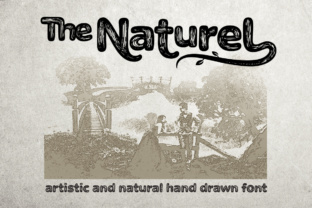
When you are choosing type for a project, every detail matters. The weight of a stroke, the space between letters, and even the subtle texture behind the characters all influence how your message lands. The Naturel enters this space as a handmade modern sans serif font — but with a twist that sets it apart. Its textured version draws directly from the grain and feel of wood, bringing a natural, tactile quality to digital and printed work. For designers, marketers, educators, and small business owners who want their communication to feel grounded and human, this font offers practical advantages worth exploring.
What Makes The Naturel Distinct
At first glance, The Naturel reads as a clean, contemporary sans serif. Its letterforms are modern and approachable, without unnecessary flourish. But the textured variant adds a layer that goes beyond aesthetics. By basing the texture on real wood grain, the font carries an organic unevenness — a surface that feels lived-in and authentic. This is not a rough, distressed look that sacrifices legibility. Instead, it is a subtle finish that gives each character a quiet depth. The result is a typeface that works well in large headlines where the texture becomes a visual feature, and also in shorter body settings where you want warmth without distraction.
A Font That Supports Authentic Communication
People respond to visuals that feel genuine. Whether you are designing a brand identity, building a presentation, or laying out a blog post, the tone of your typography sets expectations. The Naturel helps you signal honesty and craftsmanship before anyone reads a single word. For example, a small coffee roastery using this font on packaging or a website can communicate artisanal values without needing extra illustration. The wood-inspired texture reinforces a message of natural quality, making it especially useful for brands in food, craft, wellness, and outdoor industries. The effect is subtle enough not to overwhelm, but present enough to be felt.
Who Benefits Most from The Naturel
Different projects call for different tools, and The Naturel suits several specific audiences well.
Freelancers and Small Business Owners
If you run a small business or work as a freelancer, every asset you create needs to work harder. You may not have a dedicated design team, but you still want your materials to look intentional. The Naturel can simplify your decisions. Because it offers both a clean sans serif and a textured version, you have flexibility in one typeface. Use the standard version for menus, contracts, or email headers. Switch to the textured variant for logos, social media graphics, or product labels. This reduces time spent searching for complementary fonts and keeps your visual identity consistent across touchpoints.
Bloggers and Content Creators
In a crowded content landscape, standing out often comes down to small details. A blog header or YouTube thumbnail using The Naturel in its textured form immediately conveys a different feel than a standard Helvetica or Arial. The organic texture adds a handmade quality that can align with topics like sustainability, slow living, design, or personal storytelling. For content creators who want to build a recognizable style, this font provides a distinctive but not gimmicky tool. It helps you avoid the polished-but-generic look that many platforms default to.
Marketers and Agencies
Campaigns often need to balance professionalism with personality. The Naturel gives marketers a way to introduce warmth without losing clarity. For a landing page promoting an eco-friendly product, the textured variant can reinforce the brand message in the headline. For a client report or case study, the standard sans serif keeps things clean and readable. Having both options in one font family streamlines workflows. It also reduces the risk of mismatched type styles that can weaken a brand presentation.
Practical Use Cases That Show Real Value
Understanding where The Naturel performs best helps you decide if it fits your next project. Here are several scenarios where it makes a meaningful difference.
Branding and Identity Work
When you design a logo or brand mark, the typeface carries much of the personality. The Naturel is well suited for businesses that want to appear modern yet approachable. A wood-textured version applied to a brand name can evoke quality and natural materials without needing an icon. This works especially well for companies in furniture, apparel, food, or hospitality. The texture reads as tactile even on screen, helping a digital brand feel more physical and real.
Presentation and Pitch Decks
Slides are often where first impressions happen. Using The Naturel for key headlines or section titles can make your pitch feel more considered. Audiences pick up on visual cues, and a subtle wood grain texture in a headline suggests thoughtfulness and attention to detail. For entrepreneurs pitching to investors or clients, this can reinforce the idea that you care about quality in every aspect of your work. The standard version works well for supporting text, keeping the overall slide deck cohesive.
Print Materials and Packaging
Textures that look natural on screen often translate even better to print. The Naturel is a strong choice for business cards, brochures, product packaging, and signage. The wood-inspired texture can be especially effective on materials like kraft paper, uncoated stock, or recycled board. The alignment between the font texture and the substrate creates a harmonious physical experience. For small product lines or handmade goods, this kind of coherence helps justify premium pricing.
Educational and Nonprofit Materials
Organizations focused on education, community, or environmental causes often need type that feels warm and trustworthy. The Naturel supports that tone naturally. A nonprofit website or annual report using this font can communicate sincerity without relying on overtly decorative elements. The typeface does not distract from the message, but it quietly reinforces values like authenticity, care, and connection to nature.
Practical Recommendations for Getting the Most from The Naturel
To use The Naturel effectively, consider the context and scale. The textured variant is most impactful at larger sizes — think headings, subheadings, logos, and display text. At small sizes, the texture may become less visible or could slightly reduce legibility in dense blocks of copy. For long body text, the standard non-textured version is a better choice. It retains the modern sans serif character while keeping reading comfortable. Pairing the two versions within a single project is a practical way to balance personality with readability.
Color choice also matters. The wood texture works well with earthy tones, warm neutrals, and muted palettes. On bright white backgrounds, the texture may feel softer. On off-white or colored backgrounds, it can become more prominent. Testing the font in your actual layout tools — whether that is a design app, website builder, or presentation software — will give you a clearer sense of how it behaves at different sizes and on different screens.
Limitations and Considerations to Keep in Mind
No single font fits every project, and The Naturel has its own boundaries. The textured version, while distinctive, may not suit corporate or highly formal contexts where absolute uniformity is expected. If your brand relies on a very clean, clinical, or minimalist look, the texture could feel out of place. Similarly, for projects that require heavy compression or very small rendering — like mobile app interfaces or dense data tables — the standard sans serif version is the safer choice. It is also worth comparing The Naturel with other handmade or textured fonts to see which aligns better with your specific visual voice. The best typeface is the one that feels like a natural extension of your message, not just a trendy option.
The Naturel as a Thoughtful Addition to Your Toolkit
What makes The Naturel worth considering is not just its appearance, but the purpose it serves. In a time when so much digital content looks similar, small choices like font texture can differentiate your work. For professionals and creators who value substance over flash, this typeface offers a way to communicate with more nuance. It supports goals like building trust, reinforcing brand values, and improving visual consistency across projects. Whether you are launching a new product line, refreshing a blog, or designing materials for a local business, the combination of modern form and natural texture gives you a practical tool that feels intentional. And in communication, intention is often what makes the difference between being seen and being remembered.