Love Story Font: Handmade Charm with Heartfelt Alternatives
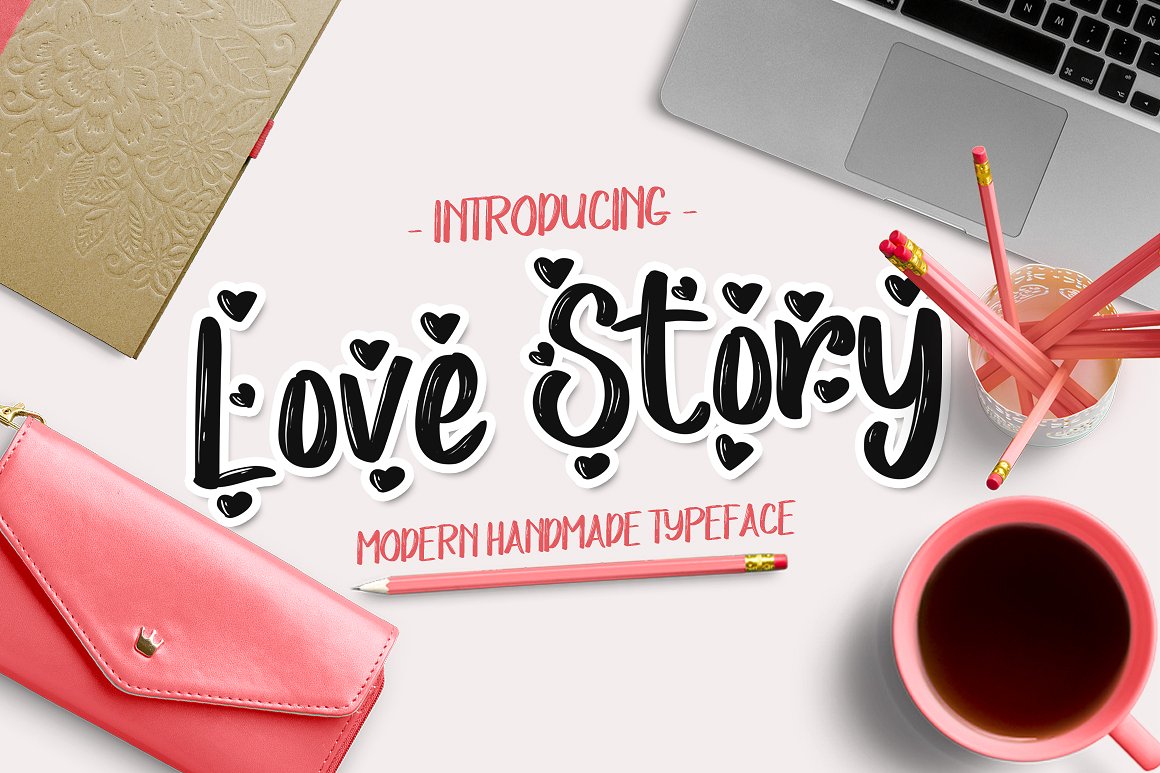
Typography has a wonderful way of setting the mood for any project. Few fonts manage to feel both personal and polished, handmade yet highly functional. Love Story is exactly that kind of typeface. Crafted with a natural, flowing hand, it carries an authentic charm that resonates with creators across many fields. Its most distinctive feature—four unique stylistic alternatives for every character, adorned with hearts on the top, bottom, left, or right—makes it incredibly versatile. Whether you are a seasoned designer or a weekend crafter, understanding how to leverage these features can open up new creative possibilities.
The Core Appeal of a Handcrafted Typeface
Why choose a handmade font like Love Story over a standard script? The answer lies in the texture and authenticity of the letterforms. Mass-produced fonts can sometimes feel robotic. Love Story, in contrast, embraces slight irregularities and a natural flow that makes it feel personal. For the casual user, this means your projects instantly gain a warm, approachable character. For the professional, it provides a way to inject personality into branding without sacrificing readability. In an age of AI-generated content, there is a growing appreciation for things made by human hands. When a customer sees a sign written in Love Story, they do not just read the words—they sense the care behind them.
For Hobbyists and DIY Enthusiasts
If you love scrapbooking, card making, or creating personalized gifts, Love Story offers immediate value. The standard glyphs are beautiful on their own, but the four alternatives give you the power to customize every single letter. Imagine designing a handmade anniversary card. You can select the heart on the left alternative for the first letter of a name and the heart on the right for the last, creating a balanced, thoughtful layout that looks professionally lettered.
For hobbyists, ease of use and cost are often primary concerns. Love Story eliminates the need to purchase multiple decorative fonts or embellishment packs. Everything you need to add a loving, finished touch is built directly into the typeface. It works beautifully in bullet journals, DIY wall art, and gift tags. The learning curve is gentle—most design programs allow you to cycle through the alternatives with a simple click, letting you experiment until the visual balance feels just right.
Why Business Owners and Marketers Find It Valuable
From a commercial standpoint, fonts need to work hard. They need to be versatile, unique, and capable of capturing attention in a crowded market. Love Story excels here. Small business owners, particularly in creative fields like wedding planning, baking, or boutique retail, can use this font to establish a cohesive and memorable brand identity.
A bakery owner, for instance, can use Love Story on cake toppers, price tags, and Instagram posts. The heart alternatives allow for endless variations, ensuring the brand feels fresh without being inconsistent. For a wedding planner, the font conveys romance and elegance perfectly suited for proposals, mood boards, and client communications. The speed at which you can produce professional-looking materials directly impacts your business's bottom line. You do not need to be a professional typographer to access the stylistic sets. Most software, including Canva, Adobe Illustrator, and Photoshop, supports these features natively. This ease of use is a major advantage for entrepreneurs managing their own marketing.
Practical Applications in Education and Blogging
For educators and bloggers, readability and engagement go hand in hand. A font must be legible enough for worksheets or blog posts, but engaging enough to hold attention. Love Story strikes this balance well. Its natural flow makes it easy on the eyes, while the playful hearts add a touch of whimsy that can make learning materials more inviting.
Consider a teacher creating a vocabulary list or a classroom poster. Using the standard Love Story glyphs provides a clear, handwritten feel. Using the heart alternatives for the first letter of each word can help students visually distinguish entries or highlight key terms. For a blogger, using the heart-on-left or heart-on-right alternatives for pull quotes creates an elegant, magazine-like layout that encourages reading. It adds a signature style that readers will remember, making your content feel more personal and crafted. The long-term usefulness here is high—the font is timeless enough to be used season after season, across many different subjects and topics.
Mastering the Four Alternatives
The headline feature of Love Story is its system of alternatives. Each character has a standard form, plus four additional versions where a tiny heart appears in a different position:
- Heart on the top – draws the eye upward, ideal for titles and headings.
- Heart on the bottom – grounds the letter, perfect for the end of a word or sentence.
- Heart on the left – creates forward momentum, pushing the reader to the next character.
- Heart on the right – acts as a finishing touch, wrapping up a word with charm.
This is not just a decorative gimmick. It is a structural tool that gives you incredible control over your layout. Advanced users can create monograms where the heart is perfectly centered. You can write a name where the hearts all point inward toward the center, creating a mirrored effect. You can avoid awkward letter combinations by choosing an alternative that improves the overall flow. This level of flexibility is rare in handwritten fonts and speaks to the quality of its design. For typography enthusiasts, experimenting with these combinations is a rewarding creative process.
Is Love Story the Right Font for Your Project?
Ultimately, choosing a font is about matching it to your project's needs and your own skill level. Fonts have personalities. Love Story is warm, romantic, and approachable. It works beautifully for invitations, personal branding, product packaging for handmade goods, and any project that aims to foster a sense of closeness and authenticity with the audience.
For beginners: If you are just starting out, you don't need to use all the alternatives at once. The standard glyphs alone give a beautiful result. As you grow more comfortable, you can start experimenting with the alternates to add subtle flourishes.
For professionals: If you require precision, the structured alternatives give you control over kerning and visual balance that few handwritten fonts offer. The time saved by not having to manually add decorative elements, combined with the professional polish it provides, makes it a smart investment.
When to choose a different font: For highly formal corporate reports or dense, long-form text, a standard serif or sans-serif might be more appropriate. Love Story shines brightest when emotion and personality are key.
The investment in a quality font like Love Story is an investment in the quality of your output. Whether you are a beginner exploring digital design or a seasoned professional looking for that perfect handwritten touch, the combination of a natural, flowing script and a clever system of heart alternatives gives Love Story a distinct place in the typographic landscape. It is a font designed not just to be seen, but to be felt.