Wide Noise: A Display Font Built for Impact
Typography choices often define the first impression of a design. Among the many display fonts available, Wide Noise stands out for its deliberate roughness and unpolished energy. This font does not try to blend in or appear refined. Instead, it embraces a handcrafted, almost aggressive character that feels both intentional and raw. For designers and creators looking for a typeface that commands attention on large surfaces or in prominent positions, Wide Noise offers something genuinely different.
What Wide Noise Is and Why It Matters
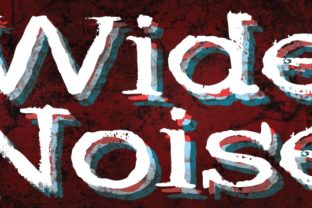
Wide Noise is a display typeface that originated from a hybrid creative process. It was first drawn digitally in Adobe Illustrator, then recreated physically using black paint and a fine-tipped paintbrush. That transition from screen to hand and back again shaped its distinctive appearance. The letters carry visible brush marks, uneven strokes, and a sense of movement that feels closer to hand-lettering than to traditional typography. When the design was scaled up, every imperfection became more pronounced, exaggerating the roughness and wildness of each character. The result is a font that looks like it belongs on a weathered poster, a gritty film title, or an album cover that demands a second look.
What makes Wide Noise worth discussing is not just its visual style, but the method behind it. Many display fonts aim for polished imperfection, but Wide Noise achieves a level of authenticity that is hard to replicate with purely digital tools. The paintbrush origin gives each letter a tactile quality, while the digital enlargement ensures that the texture remains visible even at large sizes. This combination of handcrafted origins and deliberate scaling creates a typeface that feels both organic and deliberate.
The Craft Behind the Roughness
Understanding how Wide Noise was made helps explain why it looks the way it does. Starting in Illustrator allowed the designer to establish consistent letter shapes and proportions. But the real transformation happened when those vector forms were translated into physical brushstrokes. Black paint on a surface behaves differently than a digital brush. It pools, splatters, and thins unpredictably, and those variations become part of the letterforms. A fine-tipped paintbrush adds precision, but the human hand still introduces slight tremors, pressure changes, and angle shifts that no software can fully simulate.
After the painted versions were created, they were digitized and scaled up significantly. This enlargement is critical. At standard display sizes, the brush texture might look like intentional grain. But when Wide Noise is blown up to poster or billboard scale, every fleck of paint, every uneven edge, and every slight wobble becomes a defining feature. The roughness stops being a background detail and becomes the main event. This is the same visual philosophy that Sam Peckinpap used in his films: close-ups that reveal every pore and imperfection, making the grit feel immediate and real.
Key Characteristics and Visual Language
Wide Noise has several defining traits that set it apart from other display fonts.
- Uneven stroke weights: The brush application creates natural variation in thickness, giving the font a hand-painted feel that no digital filter can fully replicate.
- Visible texture: Paint flecks, dry brush effects, and slight blobs are part of the letterforms, especially at larger sizes.
- Wide proportions: As the name suggests, the characters are stretched horizontally, which makes them suitable for large, bold statements.
- Aggressive posture: The letters lean and tilt slightly, as if they were painted quickly and without concern for perfect alignment.
- High contrast with backgrounds: The heavy black strokes create strong visual weight, which works well against light or neutral backgrounds.
These characteristics make Wide Noise a font that refuses to be ignored. It does not whisper. It shouts, but in a controlled way. The roughness is not a sign of carelessness. It is a deliberate design choice that serves a specific purpose: to create immediate, visceral impact.
Real-World Performance and Practical Strengths
When evaluating any font, practical performance matters. Wide Noise performs best in situations where visibility and emotional tone are more important than readability at small sizes. It is not a body text font, and it was never intended to be. Where it excels is in headline use, posters, banners, signage, packaging, and any medium where the text needs to be seen from a distance or read quickly.
At large sizes, the font's texture becomes an asset. The paint flecks and uneven edges add depth that makes the lettering feel dimensional, even in flat digital formats. This is especially useful for printed materials, where the ink on paper can interact with the font's natural roughness to create an even more tactile result. For digital use, the font retains its character well on high-resolution screens, though some of the finer paint details may be lost at smaller display sizes.
Another strength is Wide Noise's versatility within its niche. It can be used for gritty, industrial themes, but it also works for projects that need a handmade, artisanal feel. The font does not look overly polished, which makes it suitable for brands that want to communicate authenticity, craftsmanship, or a DIY ethos. It also pairs well with cleaner sans-serif fonts, creating a contrast that is visually interesting without being chaotic.
Where Wide Noise Excels: Use Cases and Applications
Wide Noise is not a font for every project, but in the right context, it is remarkably effective. Below are some of the most suitable use cases.
- Movie posters and title sequences: The font's rough, cinematic quality fits genres like westerns, thrillers, horror, and action films. It evokes the same kind of gritty intensity that Sam Peckinpah's film titles often conveyed.
- Music album covers and merchandise: Bands and musicians looking for a raw, unpolished aesthetic will find Wide Noise matches the energy of punk, rock, metal, and indie genres.
- Event branding and festival signage: Large outdoor events, art fairs, and music festivals benefit from fonts that are visible from a distance and carry a strong personality.
- Packaging for artisanal or handmade products: Small-batch producers, breweries, and craft brands can use Wide Noise to reinforce a handmade, authentic identity.
- Posters and flyers for cultural events: Theatre productions, gallery openings, and film screenings often need type that stands out and communicates a specific mood quickly.
- Social media graphics and video thumbnails: In digital spaces where attention is scarce, Wide Noise helps headlines grab viewers before they scroll past.
In each of these contexts, the font's roughness is not a limitation. It is the reason the design works. The imperfections communicate effort, humanity, and a refusal to settle for sterile digital perfection.
Who Benefits Most from Wide Noise
Wide Noise is most valuable to professionals whose work involves visual communication at scale or with a strong emotional component. Graphic designers, art directors, and branding specialists will find it a useful addition to their toolkit, especially if they work with clients in the entertainment, cultural, or artisanal sectors. Freelancers and small business owners who handle their own marketing can also benefit, provided they understand the font's limitations and use it selectively.
Marketers promoting events, products, or campaigns that need to convey energy, authenticity, or a slightly rebellious edge will find Wide Noise effective. It signals that something is not mass-produced or corporate. It suggests that care was taken to make the message feel personal and direct.
Hobbyists and creators working on personal projects, such as zines, independent publications, or custom merchandise, will appreciate the font's ability to elevate amateur-level work. Even on a simple poster, Wide Noise adds a layer of visual interest that makes the design look more intentional and professional.
Considerations and Possible Limitations
No font is perfect for every situation, and Wide Noise has clear boundaries. Its readability drops significantly at smaller sizes, especially in body text or captions. The textured strokes can become muddy when reduced, and the uneven proportions make it difficult to read in long passages. This is not a flaw. It is a design constraint that users must respect.
Another limitation is the font's strong personality. Because it carries so much character, it can easily overwhelm a layout if not balanced with simpler elements. Designers should pair Wide Noise with clean, neutral fonts and allow plenty of negative space. Overusing it or applying it to inappropriate contexts can make a design feel chaotic or amateurish.
Licensing and file format availability are practical considerations. Before committing to a project, check whether Wide Noise is available in the formats you need, and whether the license covers commercial use, web embedding, or other specific applications. Some independent font creators offer limited licenses, so reading the terms carefully is advisable.
Is Wide Noise Right for Your Project
Deciding whether Wide Noise fits your needs depends on your goals, audience, and medium. If you are designing a large-format piece that needs to grab attention immediately, and if the message benefits from a rough, handcrafted feel, this font is a strong candidate. If your project involves small text, formal communication, or a polished brand image, Wide Noise is likely the wrong choice.
The font's value lies in its ability to convey texture, energy, and authenticity. It works best when used sparingly and intentionally. A single headline in Wide Noise can set the tone for an entire campaign, especially when surrounded by clean typography and minimal design elements. It rewards restraint and thoughtful composition.
For designers and creators who regularly work on posters, album art, event materials, or any project where the type needs to carry emotional weight, Wide Noise deserves a place in the font library. It is not a daily driver, but when the right project comes along, it delivers exactly what it promises: bold, rough, and impossible to ignore.